The coliving represents a real paradigm shift, both from the point of view of living together and from the real estate point of view, and it also touches on other aspects beyond living together, such as the workplace. coworking spaces, In essence, they seek turn around to individualistic forms of life to incorporate concepts closer to the community. Although they have typical characteristics of traditional accommodations, coliving takes a leap forward to implement various infrastructure and common spaces where people can live together. In this sense, they have certain similarities with student residences, although they also resemble a hotel in a certain sense, as they offer services available to users. As we can see, this is a a new way of living It touches on several aspects and generates value through the activity that takes place within the space, rather than through the square meters that predominate as a form of business in the traditional real estate market.
Where does the coliving model come from?
This is a phenomenon relatively recent that emerged from cosmopolitan environments (modern cities such as New York, Paris, London, Los Angeles, Berlin, Melbourne, etc.), and that has a relatively short history: they began to emerge in the early 21st century, although their true appearance did not begin to occur until a few years ago. In our country it has arrived somewhat belatedly but has already established itself as a alternative life to be very considered for the present and future. Currently, the circumstances resulting from the pandemic have only intensified the appeal of this revolutionary and interesting alternative for housing or accommodation.
What is a coliving?
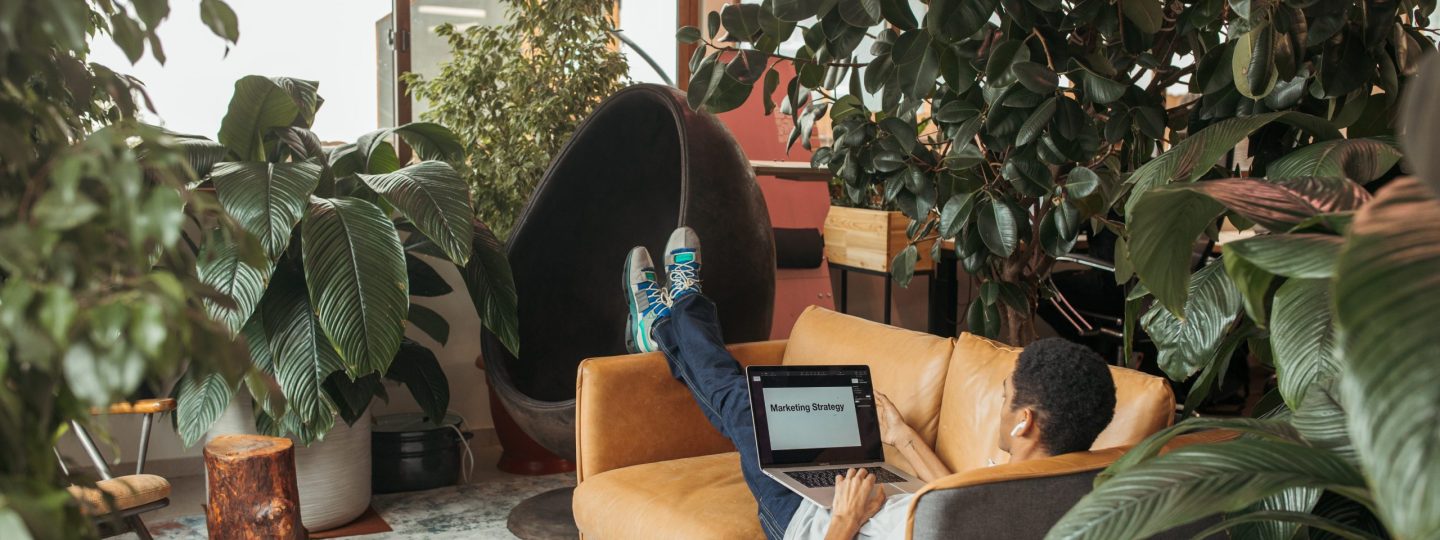
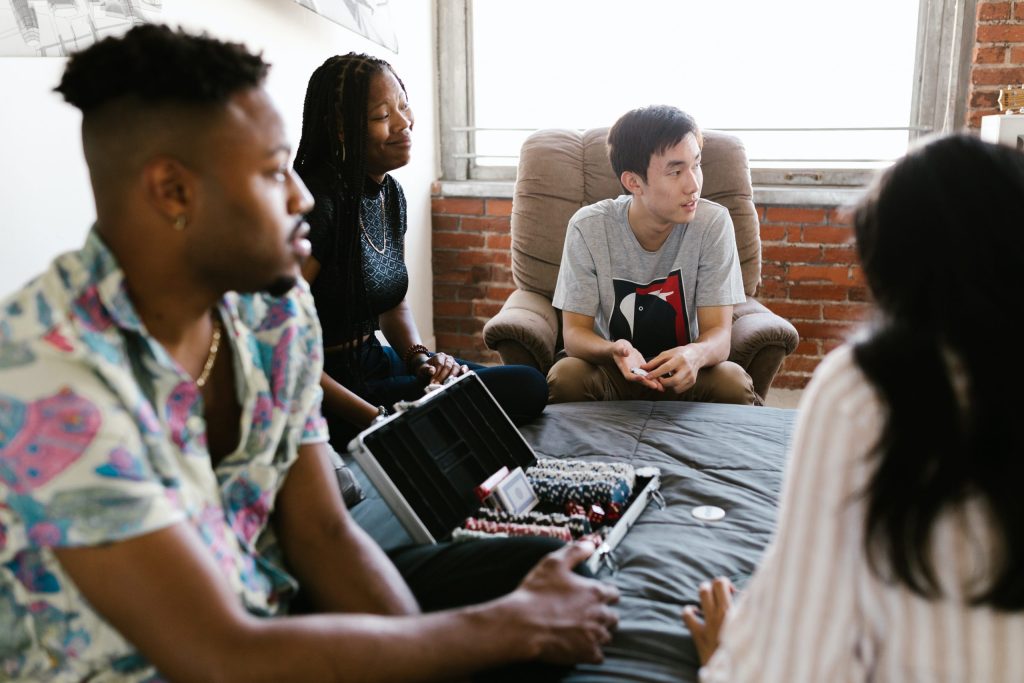
There is Different types of coliving spaces, Each of them has its own particular characteristics. However, there are some things that we can generally find at these places. These are places where we will share spaces with people in an active age group (although, it should be noted that there are more and more co-living projects aimed at retired or elderly people). There will be a certain degree of independence, But there will also be room for the interaction; a much more habitual and deeper interaction than in traditional homes, which are characterized by a higher degree of isolation and lack of connection with the rest of the community. These are ideal environments for developing the professional activities and that, in most cases, they have specialized areas for developing these activities, such as good connections to the network, and all kinds of office services (however, as we said at the beginning, this is not always the case; there are also co-living spaces focused on healing, connection with nature, or other activities of this nature). They usually are places with avant-garde, modern and stylish designs, In this context, issues related to energy efficiency, sustainability, or respect for the environment are taken into account to a greater extent than is usual.
Why are these spaces successful?
For several reasons. First of all, because it is a ideal space for the development of personal and professional relationships with like-minded people and from our own community. This in itself is very appealing, but living in a coliving space can also mean a real saving, This applies both to issues related to current expenses (internet, electricity, water and other basic services)—since they will be shared by all users—and to the rental fees. This is a Quick, simple and comfortable alternative To live collectively without losing the advantages of having a personal space of your own. They are usually spaces designed specifically for people looking for a temporary accommodation solution (between 3 and 24 months on average), although some people get tired of it and decide to stay for much longer. This is an option that includes all the services included in the rent. Perfect for a world as fluid and dynamic as the one we are heading towards!