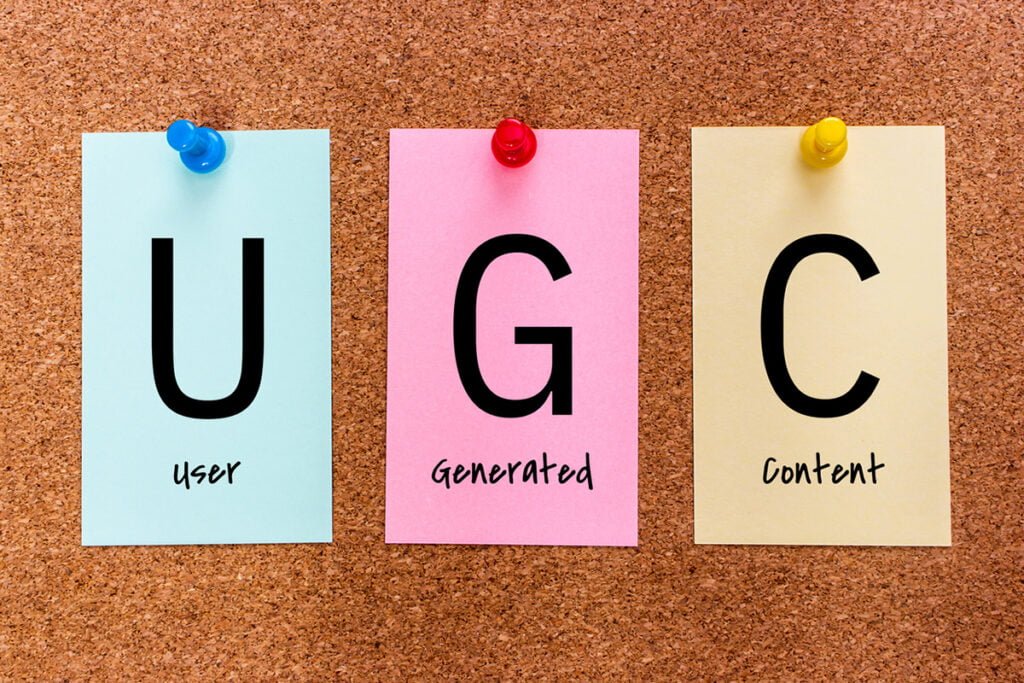
User-generated content (UGC) has become increasingly popular with the rise of social media and the creation of content.
Traditionally in marketing, brands have always created their own content, while users have been mere spectators of their ideas. However, with digital marketing, user involvement has changed significantly, leading to new jobs and roles such as UGC creator.
Are you interested in learning more about User-Generated Content and its creators? Keep reading!
What is the UGC?
User-generated content refers to brand-related content created by customers and users of that brand, rather than by an employee or official representative of that company.
This can take many forms: an Instagram post from a fan about a new product, a video of a customer doing an unboxing on TikTok, a story from a user testing a brand's service…
Technically, the UGC is User-generated content that appears authentic but is designed to showcase a specific business or product.
Who is a UGC content creator?
We have said that user-generated content is content generated by people outside of a brand. Therefore, a creator of UGC content is any person who performs this sponsored action through any social media platform.
Although the presentation of User-Generated Content is commonly in video format on platforms like Instagram or TikTok, UGC creators can use any platform and format (story, post, reel, advertisement, etc.)., blog, podcasts...) to disseminate their content.
However, this type of creator also exists in traditional media such as television and print media. For example, programs like America’s Funniest Home Videos are entirely created from UGC content, and publications and documentaries from National Geographic show photos and videos that have been submitted by their readers.
How is a UGC creator different from an influencer?
It is important not to confuse a User-Generated Content with a Influencer, They differ in their different obligations towards brands.
While the influencers maintain an agreement or contract with the brand both for the creation of content and for their exposure to their audience, UGC content creators create and deliver their content to brands without the obligation to publish it on their social media platforms.
Examples of UGC: How can brands work with User-Generated Content?
Brands can work with UGC content creators in various ways. These are the most common:
Campaigns on social media
One of the most common ways brands work with this type of content creator is through social media campaigns. Brands can create a brand hashtag and encourage users to share content using that hashtag. In this way, the content creator helps generate anticipation and participation around the brand.
UGC competitions
Brands can also organize contests to encourage users to submit content related to the brand or product. This can be another good way to obtain content generated by the user login quality and encourage users to interact with the brand.
Benefits and challenges of UGC content
User-generated content presents both benefits and challenges for creators and brands.
Benefits of User-Generated ContentFor creators, creating UGC content can be a way to self-expression, creativity, and the creation of communities. On the other hand, for brands, creating UGC content can provide authentic and engaging content created by their fans, which can help them: generate trust and loyalty to the brand.
Authenticity
One of the main benefits of creating UGC content is authenticity, as the content is created by real people in real situations, which makes them relatable. more authentic and genuine than content created by brands or professionals.
Engagement
This content is often more appealing than traditional content because it is created by users who have a personal connection to the brand or product. Similarly, it can also be more shareable and viral, which can help to increase the brand's visibility and reach.
UGC challenges
Although it offers many advantages, it also brings its own challenges, such as quality control or legal issues.
Quality control
Maintaining quality control is one of the biggest challenges in creating UGC. Since it is created by users, the quality can vary greatly, which can make it difficult for brands to maintain consistency across all their content.
Legal problems
This is the other major challenge for UGC. UGC content creators must learn about copyright and intellectual property laws, and brands must have clear guidelines and policies to avoid any type of legal problems.
How to Implement UGC in Your Marketing Strategy
Now that you know the benefits and challenges of UGC, you might be wondering how you can start using this strategy in your own business. Here are some tips:
- Promotes user participation: You can do this by using contests, incentives, and brand hashtags on social media. Invite your followers to share their own experience with your products or services.
- Highlight the UGC on your platform: If a customer shares a great photo of your product, ask permission to feature it on your website or in your own social media channels. This not only shows appreciation for the user’s content, but it can also encourage others to share their own content.
- Sets clear guidelines: To avoid legal problems, make sure you have clear policies about how users can share content about your brand and what type of content is acceptable.
- Monitor the UGC: Keep an eye on the content that users are creating about your brand. This can provide you with valuable insights into what your customers think and feel about your products or services.
Tools and resources for UGC content creators
For UGC content creators, efficient use of the right tools and resources can make a big difference in the quality and impact of the content they create. Here we provide you with some Tools and resources that can help you create effective and engaging UGC content.
Social media platforms for UGC
Instagram, TikTok, and YouTube are popular platforms for user-generated content. Each platform has its own unique features and functions that content creators can leverage to maximize their impact. For example:
- Instagram It is ideal for sharing images and short videos
- YouTube It is an excellent platform for longer and more detailed videos
- TikTok, On the other hand, it has become a popular platform for short and entertaining videos
Editing tools and content creation
There are numerous tools that UGC content creators can use to improve the quality of their content.
For example photo and video editing applications such as:
- Photoshop Beta and Premiere Pro
- Canva
- InShot
- Lightroom
- Midjourney
- CapCut
They can help you improve the aesthetics of your images and videos.
Resources to learn about copyright and intellectual property
It is crucial that creators of UGC understand and respect copyright and intellectual property laws. There are many resources available online, including guides and tutorials, that can help you familiarize yourself with these concepts. It is important to remember that, although UGC content can be promotional, it must still respect copyright and intellectual property laws. On these websites you can find information about copyright and intellectual property:
- Coursera and edX: Both platforms offer online courses on copyright and intellectual property. These courses are taught by professors from recognized universities and professionals in the field.
Connecting with brands
Finally, there are various platforms and services that facilitate the connection between brands and UGC content creators. These can help you find collaboration opportunities and establish valuable relationships with the brands you are interested in.
- Tongal: This is a crowdsourcing platform where brands can publish their content needs and creators can submit their ideas. Then, the brand chooses the idea they like best and works with the creator to bring it to life.
- Patreon: It is a service that allows content creators to receive funding directly from their followers, or sponsors, in exchange for exclusive content. This platform could be used by brands to fund UGC content creators and work with them on creating content for the brand.
Conclusion
A UGC content creator is someone who creates content for a brand without being an employee of the same, but rather an external user or consumer of their products who delivers this content to the brand. without the obligation to promote it on their social media networks.
As the popularity of user-generated content grows, it is important that brands and creators know how to create and effectively leverage UGC to establish stronger relationships with their audience and take advantage of all the benefits this type of content offers.